
Living in Southwest Florida means your air conditioner is the most important appliance in your home. From summer heat waves in Fort Myers to humid afternoons in Cape Coral and Naples, cooling systems run almost year-round. An air conditioner check up helps you catch major issues before they turn into costly repairs or leave you sweltering in the heat.
Whether you are buying a new property or maintaining your current space, knowing how your cooling system performs keeps your home safe, comfortable, and efficient.
What is an Air Conditioner Check Up During a Home Inspection?
An air conditioner check up during a home inspection is an unbiased evaluation of your cooling system’s health, safety, and performance. A home inspector checks system age, cooling capability, electrical components, and visible wear. They provide an objective report on how well the unit operates without trying to sell you repairs or replacement units.
Understanding the difference between a home inspection evaluation and a routine HVAC maintenance service helps you make smart decisions for your property.
| Feature | Home Inspector Evaluation | HVAC Contractor Service |
| Primary Goal | Unbiased safety and operational assessment | Cleaning, tuning, and replacing parts |
| Scope of Work | Checks temperature differential, air handler, ductwork, and electrical panels | Deep cleans coils, recharges refrigerant, and repairs internal parts |
| Best Used For | Home sales, annual home reviews, and pre-purchase peace of mind | Seasonal tune-ups and physical repairs |
| Output | Detailed digital report with photos and notes | Service invoice and repair estimates |
Knowing which type of evaluation you need makes it much easier to protect your investment from the heavy demands of the Southwest Florida climate.
Why Southwest Florida Climate is Tough on AC Units
Southwest Florida features a humid tropical climate that subjects cooling systems to continuous strain. Intense sun, constant humidity, and coastal salt air force air conditioners in Lee and Collier counties to work much harder than units in other parts of the country.
- Constant Operation: While northern homes turn off cooling systems during autumn, SWFL units often run 10 to 12 months a year. This continuous use accelerates wear on motors, bearings, and belts.
- Extreme Humidity: Air conditioners do more than cool the air. They remove gallons of water from indoor air every day. Heavy moisture forces system components to run longer cycles.
- Salt Air Corrosion: Homes near coastal areas like Sanibel, Naples, and Bonita Springs face salt air exposure. Salt accelerates metal corrosion on outdoor condenser coils and copper lines.
- Algae and Mold Buildup: High heat and moisture create the perfect environment for algae growth inside condensate drain lines, leading to potential water leaks and indoor water damage.
Understanding these unique climate challenges makes it much easier to spot the early warning signs of a struggling cooling system before a complete breakdown occurs.
Warning Signs Your Air Conditioner Needs an Immediate Check-Up
Catching cooling issues early prevents complete system breakdowns during peak summer months. If you notice any of these common warning signs, your system needs an immediate inspection.
- Warm Air Blowing Vents: If air coming from your supply vents feels warm or lukewarm, the system may have low refrigerant levels, a failing compressor, or severe duct leaks.
- Weak Airflow: Reduced airflow usually points to clogged air filters, fan motor failure, or collapsed ductwork inside the attic.
- Unusual Noises: Grinding, squealing, or rattling sounds indicate loose fan belts, worn motor bearings, or loose mechanical components.
- Water Leaks Near the Indoor Unit: Standing water around your indoor air handler means the condensate drain line is clogged or the drain pan is cracked.
- Spikes in Monthly Energy Bills: Unexplained jumps in utility costs mean your air conditioner is struggling to cool, using extra power to keep up with settings.
- Musty Odors: Strange smells coming from air vents indicate excess moisture, standing water, or organic growth in your air handler or ductwork.
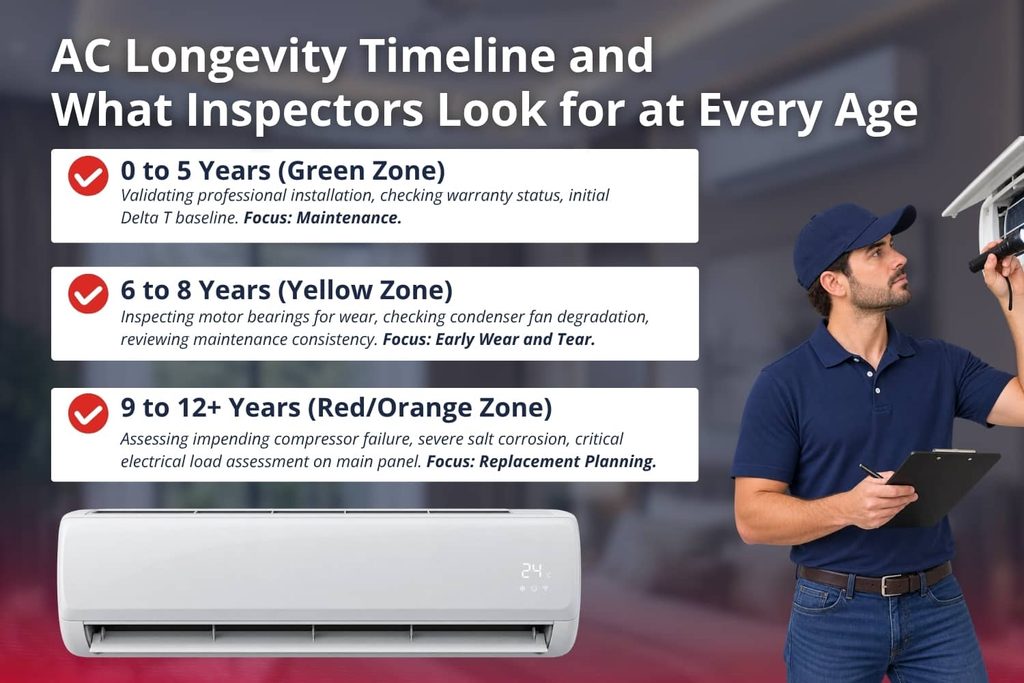
Once you spot any of these warning signs, a professional inspector can perform a step-by-step evaluation to pinpoint the exact cause of the problem.
What Home Inspectors Look for During an AC Check-Up
A professional home inspector follows a thorough procedure to evaluate your entire cooling system. This process ensures every major component is checked for safety and basic operation.
- Temperature Differential (Delta T): Inspectors measure the difference between air going into the return vent and cool air coming out of supply vents. A healthy cooling system drops temperature between 15 and 20 degrees Fahrenheit.
- Outdoor Condenser Unit: The inspector checks the fan motor, coil condition, unit levelness, and clearance from surrounding landscaping and debris.
- Indoor Air Handler: The inspector reviews blower assembly, wiring connections, circuit protection, and cabinet seals for signs of rust or air leaks.
- Condensate Drain Line: The inspector checks the drain pan and backup lines to verify proper drainage away from the home structure.
- Thermostat Operation: Testing thermostat accuracy, button controls, and communication with the cooling system ensures proper temperature control.
- Ductwork Condition: Inspectors examine visible ductwork in attics or crawlspaces to check for air leaks, disconnected sections, or damaged insulation.
Evaluating these core components gives you a complete picture of your AC health and helps prevent cooling issues from damaging other critical systems across your home.
How Air Conditioner Issues Impact Other Home Systems
Your air conditioner operates as part of an interconnected home environment. Problems with your cooling system frequently cause issues with your electrical system, roof structure, and plumbing network.
- Electrical System Strain: An aging or failing AC motor draws excessive electrical current. This strain can trip breaker switches, overheat electrical panel connections, and cause premature electrical failures.
- Plumbing and Water Damage: Clogged condensate lines overflow into pan trays. If safety switches fail, water spills into ceilings, walls, and subflooring, creating costly water damage.
- Structural Moisture: High indoor humidity from a weak cooling unit causes wood trim to warp, drywall to soften, and wallpaper to peel.
- Attic Heat Retention: Poor duct insulation releases air into the attic, increasing attic temperatures and forcing your entire home structure to hold excess heat.
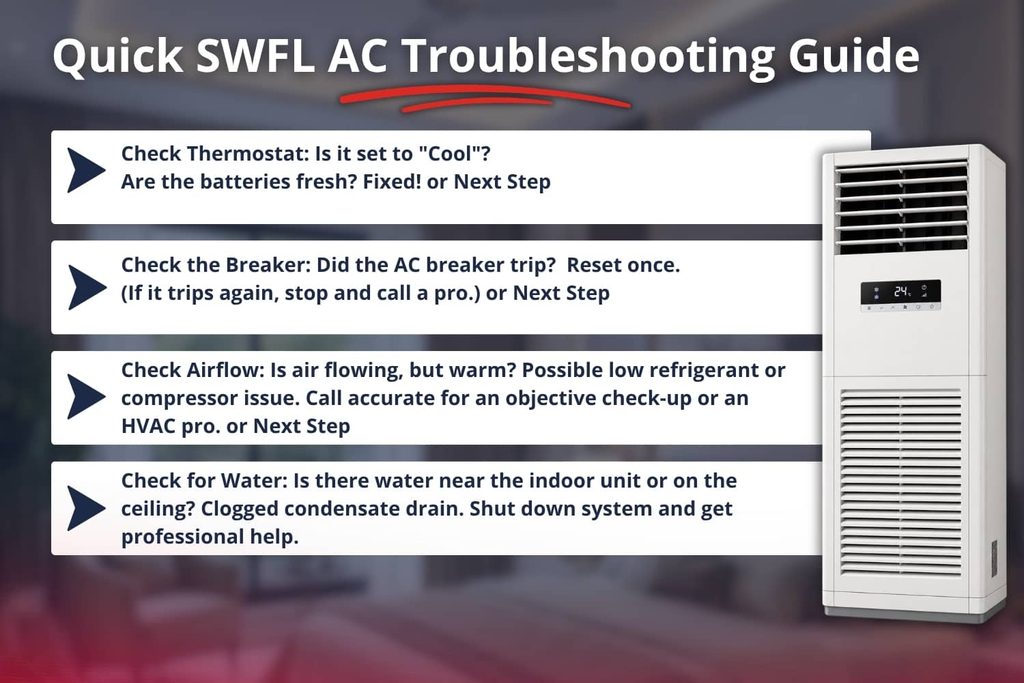
Combining an AC review with a complete home evaluation allows home buyers and owners to understand total property health. When inspecting structural integrity, electrical panels, roof condition, and plumbing lines alongside cooling systems, you get a full view of potential home maintenance risks.
Related Questions to Explore
How does proper roof and attic insulation affect cooling efficiency?
Good insulation keeps radiant heat out of your attic, which protects your roof structure and reduces the load on your cooling system. When insulation is thin or damaged, heat seeps into living spaces, forcing air handlers to run longer and raising electric bills.
Can electrical panel issues damage a cooling system?
Outdated electrical panels or loose breaker connections cause voltage fluctuations that burn out fan motors and compressor capacitors. A complete electrical system evaluation ensures your main panel can safely handle the high power draw of continuous cooling.
How do condensate drain problems cause structural water damage?
When an AC drain line clogs, water backs up into drain pans and drips through ceilings or interior walls. If safety switches fail, this standing moisture causes subfloor rot, wall damage, and hidden mold growth near internal plumbing lines.
What other home components should be evaluated before buying a property?
A thorough pre-purchase home inspection covers the entire property, including the roof, foundation, plumbing network, electrical wiring, and HVAC equipment. Reviewing a detailed digital report helps buyers identify critical repairs before closing on a home.
When to Call a Professional
Knowing when to schedule a professional evaluation protects your real estate investments and daily comfort. Schedule a full home evaluation with an air conditioner check-up under these conditions:
- Buying a Property: Schedule an inspection before closing on any home purchase in Fort Myers, Cape Coral, or surrounding areas to avoid buying a failing cooling system.
- Listing a Home for Sale: Pre-listing inspections help sellers identify equipment defects early, avoiding delays or last-minute price reductions during closing negotiations.
- Unexplained Utility Price Jumps: Sudden increases in monthly electric bills mean cooling components are failing or overworking.
- Purchasing Older Homes: Older properties in Southwest Florida often feature outdated ductwork or aging HVAC systems that need thorough evaluation.
Taking action at these key milestones ensures your cooling system stays reliable while safeguarding your entire Southwest Florida home investment.
Protecting Your Southwest Florida Home Investment
Taking care of your air conditioner is essential for living comfortably in Southwest Florida. Timely air conditioner check-ups keep energy bills manageable, prevent emergency breakdowns, and protect your indoor air quality year-round.
Whether buying a new property or maintaining your existing house, Accurate Home Inspectors of Florida provides comprehensive, objective evaluations. Our detailed digital reports cover your roof, structural integrity, electrical system, plumbing components, and HVAC units. Contact Accurate Home Inspectors of Florida today to schedule your comprehensive home inspection and keep your home operating safely.