
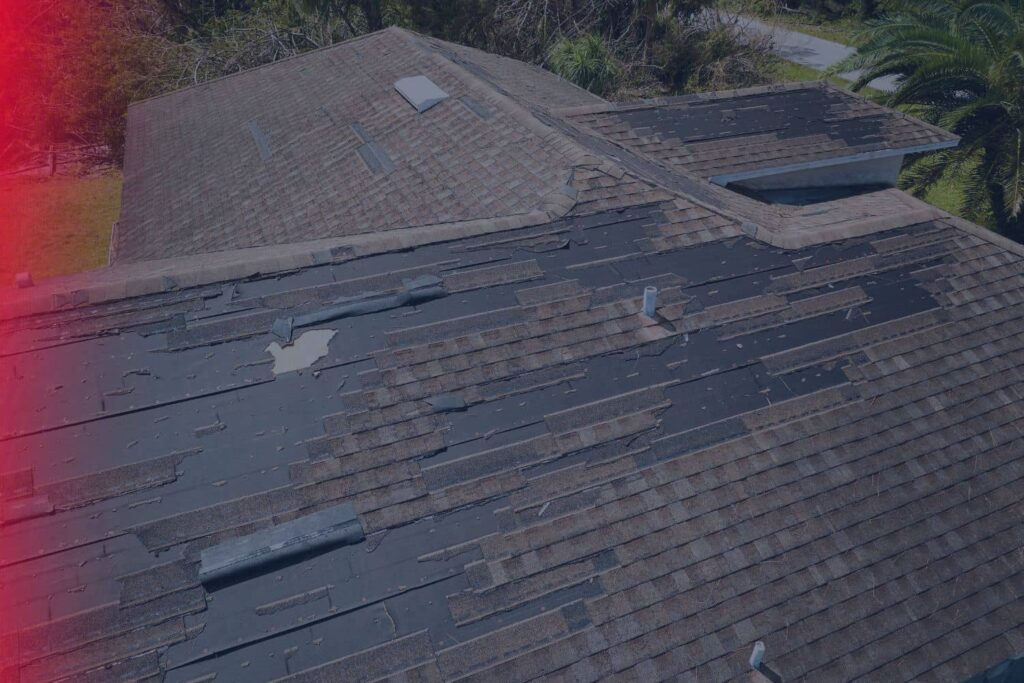
A roof inspection for insurance is a short, focused visit where a licensed inspector checks your roof’s age, condition, and remaining life, then fills out a report your insurance company uses to decide whether to write or renew your policy. In Florida, that report can be the difference between keeping your coverage and getting a non-renewal letter.
Accurate Home Inspectors of Florida completes these reports for Southwest Florida homeowners year-round, and hurricane season is when carriers look hardest at older roofs. Below, we cover what Florida law says, what inspectors look for, how a roof certification compares to a 4-point or wind mitigation report, and how to get ready before your renewal date.
What Is a Roof Inspection for Insurance?
A roof inspection for insurance is a limited visual check of your roof. It tells your insurer how old the roof is, what shape it’s in, and how many good years it has left. It is not a full home inspection. The inspector looks only at the roof system and writes up the facts an underwriter needs.
Many carriers use the Citizens Property Insurance Roof Inspection Form (often called the RCF-1) or their own version of it. Citizens asks that any report submitted include at least the same level of detail as its form, so most insurance roof reports cover the same basics:
- Roof covering type (shingle, tile, metal, flat or membrane)
- Roof age and the year of the last full replacement
- Remaining useful life in years
- Overall condition, including damage, wear, or active leaks
- Photos of every roof slope, which Citizens requires with each form
The insurer’s main goal is simple. It wants to know if your roof will hold up long enough to justify the risk of covering your home.
Florida’s 15-Year Roof Rule Explained
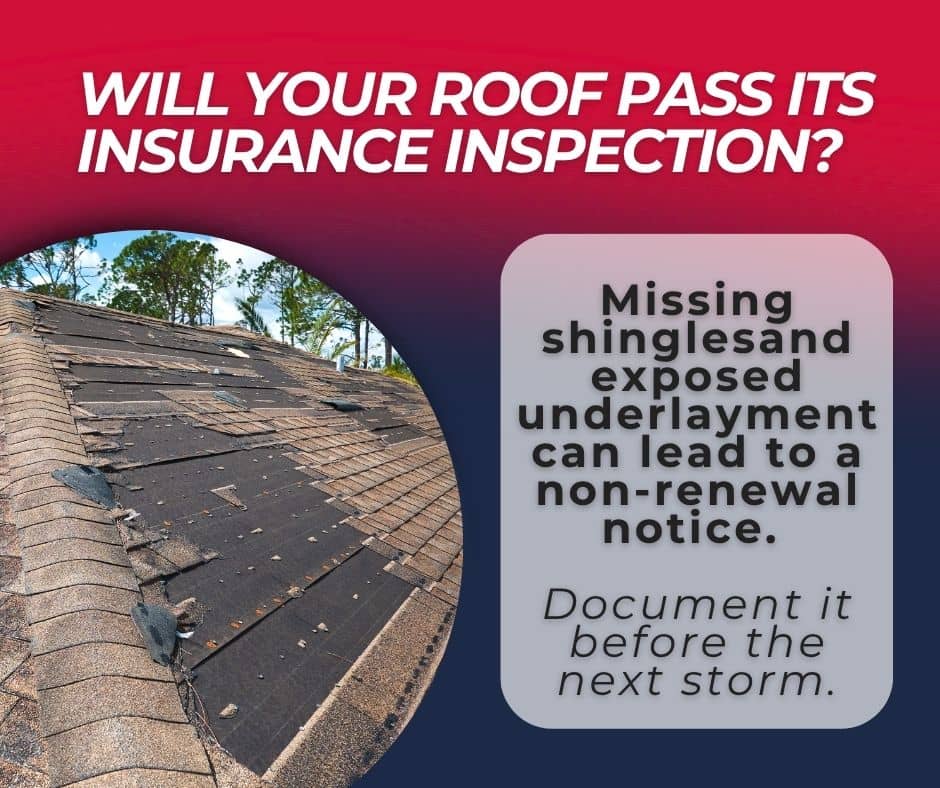
Florida law protects homeowners from being dropped just because a roof hits a certain birthday. The rule lives in Florida Statute 627.7011(5), and it works like this:
| Roof age | What your insurer can and can’t do |
|---|---|
| Under 15 years | Cannot refuse to issue or renew your policy solely because of roof age |
| 15 years or older | Must let you get an inspection from an authorized inspector (at your cost) before requiring a new roof |
| 15+ years with 5+ years of useful life left | Cannot refuse to issue or renew solely because of roof age |
This rule applies to homeowners policies issued or renewed on or after July 1, 2022. It does not cover mobile home policies. Insurers can also still decline a roof for other lawful reasons, such as active damage or poor condition. That’s why the condition part of the inspection matters as much as the age.
How Florida Calculates Your Roof’s Age
Your roof’s age starts on the last date that 100% of the roof surface was built or replaced to the code in effect at the time. Patching a few shingles does not reset the clock. If you replaced the roof in sections over several years, the age is counted from the first partial replacement once the whole surface has been redone.
Not sure how old your roof is? Check your permit records, closing documents, or the roofer’s original invoice.
Who Can Perform the Inspection?
Under the statute, an “authorized inspector” must be approved by your insurer and must be one of the following:
- A Florida-licensed home inspector
- A certified building code inspector
- A licensed general, building, or residential contractor, or a roofing contractor
- A licensed professional engineer
- A licensed architect
- Anyone else your insurer recognizes as qualified
A licensed home inspector gives you something a roofing company may not: an independent opinion from someone who isn’t selling you a new roof.
What Do Insurance Companies Look For in a Roof Inspection?
Insurance companies look for proof that your roof is working as intended and has no visible hazards. Here is what our inspectors check and document on every insurance roof report:
- Age and permit history. Does the stated age match permit records?
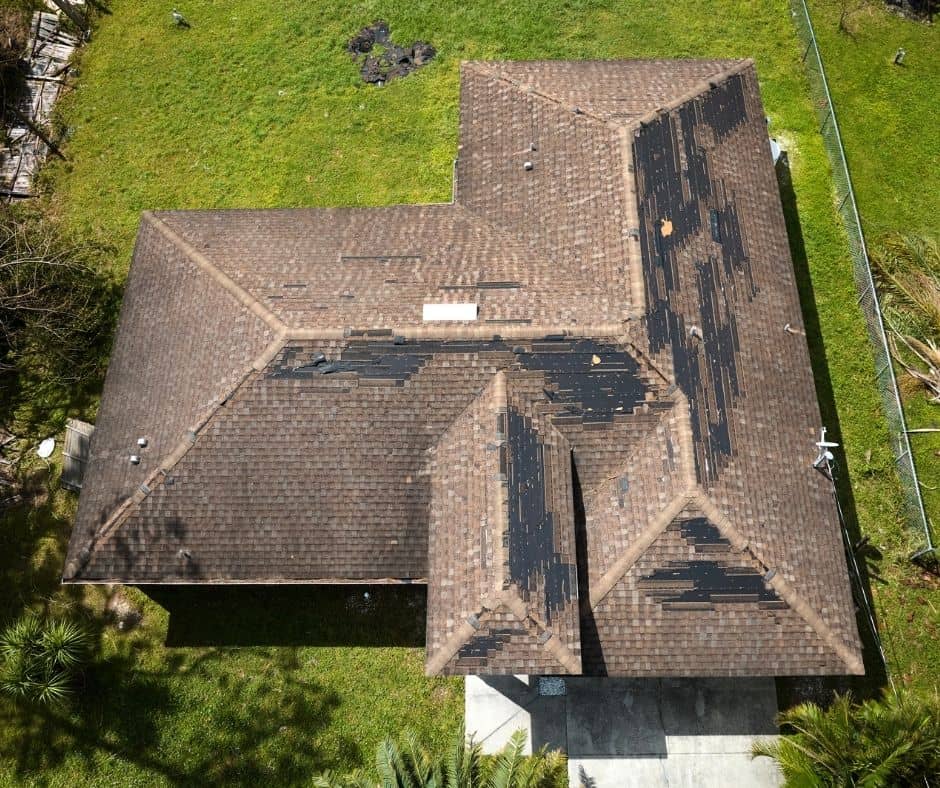
- Covering condition. Missing, lifted, or curling shingles; cracked or slipped tiles; loose metal panels
- Granule loss. Shingles that look bald or smooth are near the end of their life
- Soft spots or sagging. These can point to rotted decking underneath
- Flashing and penetrations. Gaps around vents, chimneys, skylights, and walls are common leak points
- Signs of leaks. Water stains on ceilings or in the attic
- Prior repairs. Recent fixes show the insurer that problems were handled
- Hard-to-reach areas. On steep or fragile roofs, drones can capture damage without walking the surface.
Citizens Property Insurance Roof Rules
If you’re insured through Citizens, Florida’s state-backed insurer, it has its own roof limits on top of state law. According to Citizens’ roof age requirements, homes generally need a roof replacement to be eligible when:
| Roof material | Age limit |
|---|---|
| Shingle and other roof types | More than 25 years old |
| Tile, slate, clay, concrete, or metal | More than 50 years old |
Some exceptions apply when you submit documentation showing at least five years of remaining useful life. Private carriers set their own rules, and many are stricter, so always ask your agent what your specific company requires.
Roof Certification vs. 4-Point vs. Wind Mitigation Inspection
These three reports often get mixed up because they all look at your roof. Each one answers a different question for your insurer.
| Roof Certification | 4-Point Inspection | Wind Mitigation | |
|---|---|---|---|
| Main question | How much life does the roof have left? | Can this home be insured? | Does this home qualify for discounts? |
| What’s checked | Roof only | Roof, electrical, plumbing, HVAC | Roof shape, deck attachment, roof-to-wall connections, opening protection |
| Common trigger | Older roof or unknown roof age | Older home or new policy | Lowering your premium |
| Form | Citizens RCF-1 or carrier form | Carrier 4-point form | OIR-B1-1802 |
A roof certification is what you need when your insurer questions your roof’s age. A 4-point inspection covers eligibility for older homes. A wind mitigation report documents hurricane-resistant features that can earn premium credits, and it stays valid for up to five years if nothing major changes.
Since all three look at the roof, it often makes sense to book them in one visit.
Why Hurricane Season Changes the Timing
Florida’s hurricane season runs from June 1 through November 30, and it puts extra pressure on roof inspections in three ways.
Carriers pause coverage changes when storms threaten. When a named storm heads toward Florida, many insurers stop binding new policies or changes until it passes. If your renewal lands during one of those windows and your roof paperwork isn’t ready, you can get stuck.
Inspectors book up fast after a storm. Southwest Florida homeowners remember the backlog after Hurricane Ian hit Lee County in 2022. After a major storm, everyone needs an inspection at once.
Storm damage changes your report. A roof that would have passed in May might show lifted shingles or new leaks by October. Damage found during an insurance inspection can lead to a non-renewal instead of a renewal.
Our advice: schedule your roof inspection well before your renewal date and, when you can, before peak storm activity.
How to Prepare for Your Roof Inspection
A little prep can make your inspection faster and your report stronger. Here’s what we suggest:
- Get the request in writing. Ask your insurer which form they want, what roof life they need, and your deadline.
- Find your roof’s age. Look for the permit date, closing documents, or the roofer’s invoice. County permit records can help.
- Gather past reports. Old 4-point, wind mitigation, or repair records help show a history of care.
- Fix small problems first. Replace missing shingles and reseal loose flashing before the visit.
- Clear debris. Leaves and branches can hide problems or make a roof look worse than it is.
- Make the attic easy to reach. Inspectors check the underside of the roof deck for stains and daylight.
What Happens If Your Roof Doesn’t Pass?
If your roof doesn’t show enough remaining life, you still have options. First, ask your insurer for the reason in writing. Next, look at what the report found. If the problems are repairable, a licensed roofer can fix them, and you can request a new inspection.
You can also shop other carriers, since roof tolerance varies from company to company. If the roof truly is at the end of its life, a replacement resets the age clock and may earn new wind mitigation credits too. Dealing with a denied claim instead of a non-renewal? This guide on what to do if insurance denied your roof claim walks through your next steps.
Related Questions to Explore
How long does a roof inspection for insurance take?
Most insurance roof inspections take less time than a full home inspection because they focus only on the roof. Accurate Home Inspectors of Florida delivers reports the same day or within 24 hours, so you can send them to your agent quickly.
Can my insurance company drop me because of my roof’s age?
Not if your roof is under 15 years old and age is the only reason. If your roof is 15 or older, your insurer must let you get an inspection first. If that inspection shows five or more years of useful life, the insurer cannot refuse to renew solely because of age. If you’ve received a non-renewal notice, schedule a roof inspection as soon as possible.
How much does a roof inspection for insurance cost in Florida?
Florida law says the homeowner pays for the inspection. Prices vary by roof size, type, and whether you bundle it with a 4-point or wind mitigation report. Ask for a quote before you book, and check whether a combined visit lowers your total cost. You can request your inspection online to get started.
How long is a roof inspection report good for?
Each insurance company sets its own window for how recent a roof report must be, so check with your agent. Wind mitigation reports are different and stay valid for up to five years unless you make major changes, such as a new roof.
Is a roof certification the same as a roof warranty?
No. A roof certification describes the roof’s condition and estimated remaining life on the day of the inspection. It is not a guarantee the roof won’t leak later.
Who can do a roof inspection for insurance in Florida?
A licensed home inspector, building code inspector, licensed contractor or roofing contractor, professional engineer, or architect can perform it, as long as your insurer approves them. As licensed home inspectors, the team at Accurate Home Inspectors of Florida provides independent insurance and roof certification inspections across Southwest Florida.
When to Call a Professional
Call a licensed inspector when any of these apply:
- You received a non-renewal notice or an inspection request from your insurer
- Your roof is 15 years or older, or getting close
- You don’t know your roof’s age
- A storm just passed, and you see missing shingles, stains, or debris damage
- You’re buying a home and want to know if the roof will be insurable
Accurate Home Inspectors of Florida is led by a Certified Master Inspector and serves homeowners across Lee, Collier, Charlotte, and Hendry counties. We know Southwest Florida roofs, the forms carriers ask for, and how to document your roof clearly. Learn more about our insurance and roof certification inspections or schedule your inspection.
Conclusion
- Florida law gives roofs that are 15 or more years old a path to stay insured, as long as an inspection shows five or more years of useful life.
- A roof certification, 4-point, and wind mitigation report each answer a different question, and booking them together saves time.
- Scheduling early, before storms and before your renewal, keeps your options open.
Ready to get your roof documented? Book an insurance inspection with Accurate Home Inspectors of Florida and get your report in 24 hours or less.