
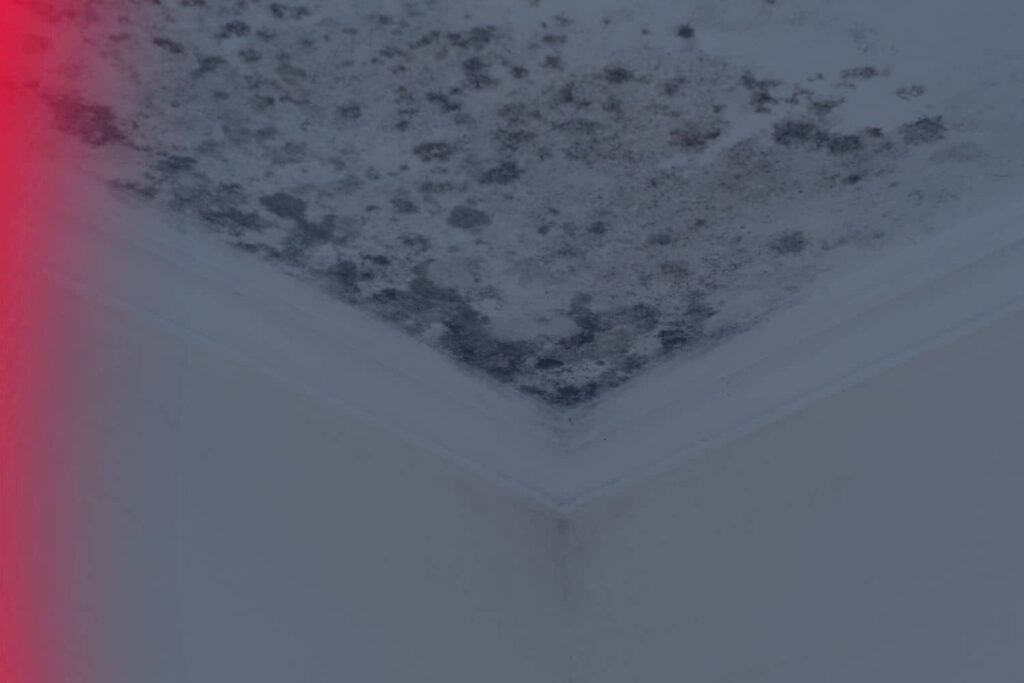
You test for mold in your house with a professional mold inspection. An inspector checks for visible growth and moisture, then takes air and surface samples that an accredited lab analyzes. This is the only reliable way to find hidden mold behind walls or in your AC and learn how serious it is.
In Southwest Florida, mold is a year-round concern. Our summers are hot and sticky, and storms can push water into places you never see. At Accurate Home Inspectors of Florida, we help homeowners in Fort Myers, Naples, and Bonita Springs find out what is going on inside their walls and air.
Here is how professional mold testing works, where inspectors look, and when to schedule a test.
Signs You Should Test for Mold
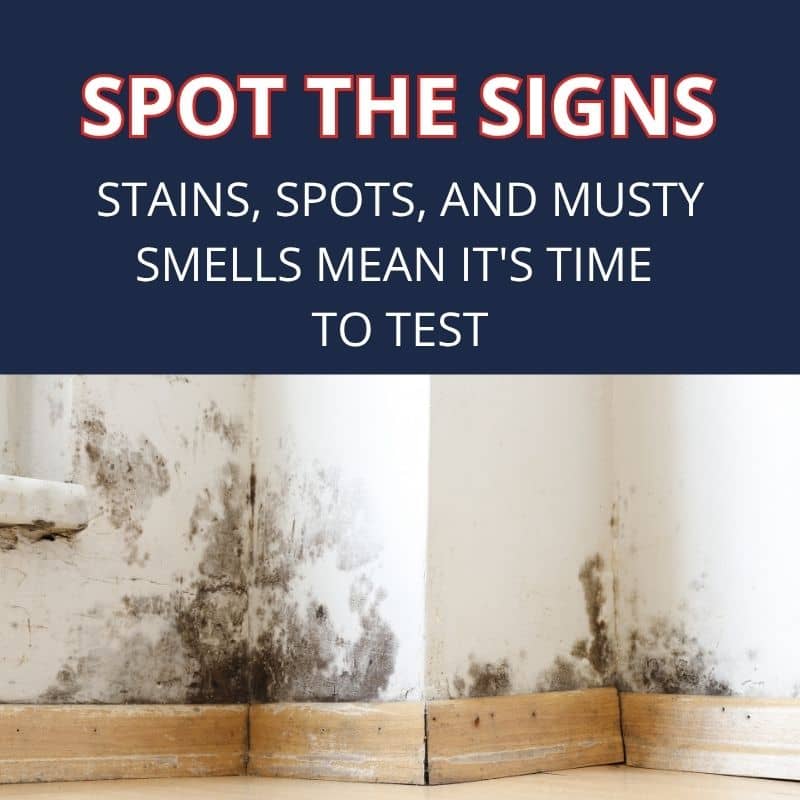
You should test for mold when you smell something musty, see spots or stains, or notice allergy symptoms that get better when you leave home. Mold needs moisture to grow, so any past leak or water problem is also a reason to schedule a test.
Watch for these warning signs:
- A musty, earthy smell that does not go away, even after cleaning
- Spots or fuzz on walls, ceilings, grout, or AC vents (mold can be black, green, white, or orange)
- Water stains on drywall or ceilings
- Peeling paint, warped floors, or soft drywall
- Condensation on windows, sliders, or AC lines
- Sneezing, stuffy nose, itchy eyes, or coughing that happens mostly at home
- A past leak, roof issue, or storm that let water inside
If you smell mold but cannot see it, the growth may be hiding inside a wall, under flooring, or in your AC system.
A lingering musty smell is also a sign of poor indoor air quality. Many of the same steps used to improve air quality in a basement, like running a dehumidifier and sealing gaps, also work in Florida homes.
How to Test for Mold in Your House: The Professional Process
A professional mold test combines a hands-on inspection with lab analysis. Each step answers a different question: where the moisture is, whether mold is growing, and what type it is.
1. Visual Inspection
The inspector walks through the home and checks the places mold likes to hide. That includes closets, cabinets under sinks, window frames, baseboards, the attic, and the AC air handler. They look for growth, stains, and water damage, and they ask about past leaks or storms.
2. Moisture Mapping
Mold cannot grow without water. Inspectors use moisture meters on drywall, wood, and baseboards to find damp areas. They also measure indoor humidity. The EPA’s guide to mold and moisture says indoor humidity should stay below 60 percent, and ideally between 30 and 50 percent.
3. Thermal Imaging
Thermal cameras show cool, damp spots inside walls and ceilings. They do not see mold directly, but they point the inspector to areas where moisture may be feeding hidden growth.
4. Air Sampling
The inspector uses a pump to pull a set amount of air through a sampling cassette. Samples are taken inside the home and outside as a control. Comparing the two shows whether your indoor spore levels are normal.
5. Surface Sampling
When there is visible growth, the inspector takes a swab or tape sample from the surface. The lab uses this to identify the type of mold.
6. Wall Cavity Sampling
When hidden mold is suspected, the inspector can sample the air inside a wall through a very small opening. This checks behind drywall without tearing it open.
7. Lab Analysis and Report
All samples go to an accredited lab. You receive a report that explains what was found, how indoor levels compare to outdoor air, and where the moisture is coming from.
Professional Mold Test Methods Compared
| Method | What it finds | Best for |
|---|---|---|
| Visual inspection | Visible growth, stains, water damage | Every home, first step |
| Moisture mapping | Damp materials and high humidity | Finding the moisture source |
| Thermal imaging | Cool, damp spots in walls and ceilings | Pinpointing hidden moisture |
| Air sampling | Spore levels and types in the air | Musty smells, hidden mold |
| Surface sampling | Type of mold on a visible spot | Identifying visible growth |
| Wall cavity sampling | Mold inside walls | Suspected hidden growth |
Where Inspectors Test for Mold in a Southwest Florida Home
Inspectors focus on the places where water and humid air collect. In our area, the AC system is the top spot to check because it pulls moisture out of the air every day.
Common testing areas include:
- AC air handler, drain pan, and condensate line. A clogged line or dirty coil can grow mold and blow spores through every vent.
- Supply vents and return grilles. Dark specks or fuzzy dust can point to growth.
- Closets on outside walls. Warm, humid air meets cool drywall here.
- Under kitchen and bathroom sinks. Slow drips are easy to miss.
- Around windows and sliding glass doors. Florida storms drive rain sideways into frames.
- Garage walls and the water heater area.
- Attic and roof deck. Stains often show up after heavy rain.
- Behind washing machines and refrigerators with water lines.
- Dishwasher door seals and filters. A musty smell here is often mold. Here’s why a dishwasher smells even after cleaning.
Why Florida Humidity Changes How Mold Is Tested
Florida’s humidity means mold can grow even without a leak. When indoor air stays above 60 percent humidity, damp surfaces become food for mold. That changes how you should test in a few ways.
Your AC does double duty. In Southwest Florida, your air conditioner cools the house and pulls water out of the air. The EPA’s guide to air duct cleaning notes that an AC unit that is too big turns on and off too often and does a poor job removing moisture, especially in humid areas. A dirty coil or clogged drain pan can cause the same problem. That is why a good mold test always includes the air handler.
Closed-up homes need extra care. Many seasonal residents leave homes empty for the summer. If the AC is set too high or turned off, humidity climbs fast. Schedule a mold test before you move back in, not after you notice the smell.
Some spores are always present. Outdoor air in Florida carries mold spores all year. A test that simply says “mold found” is not useful here. Professional testing compares indoor air to outdoor air to show whether your home has a problem.
How to Test for Mold After a Hurricane or Flood
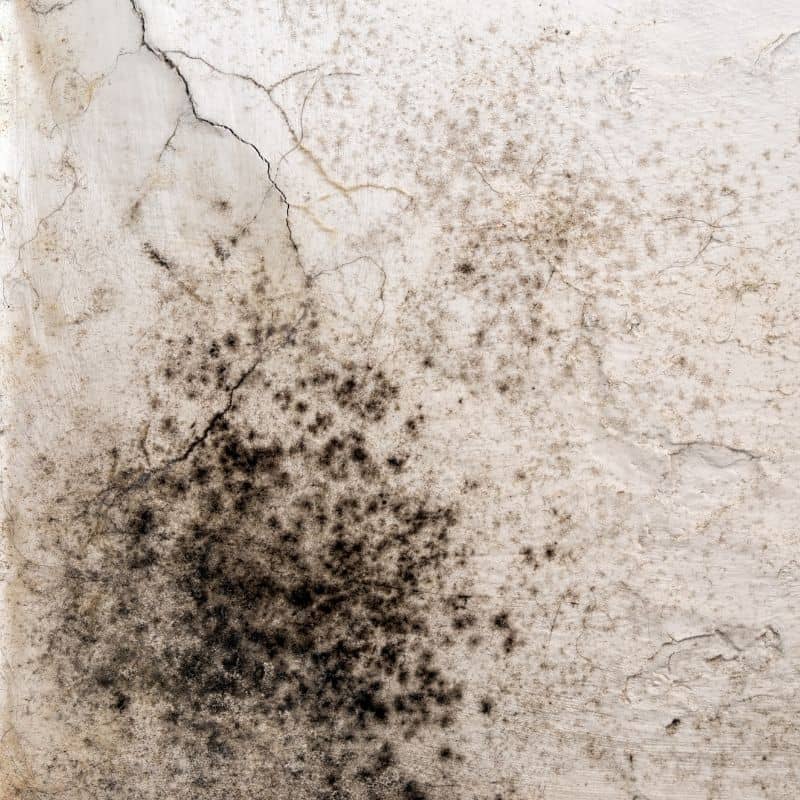
After a storm, dry your home first, then schedule a mold test once the moisture source is fixed. The EPA’s flood cleanup guide warns that mold can grow on wood, drywall, carpet, and furniture that stay wet for more than 24 hours. In our heat, growth can start on the early end of that window.
Follow these steps:
- Stay safe first. Wear gloves, eye protection, and an N95 mask when entering a wet home.
- Photograph everything for your insurance claim before you move or remove items.
- Remove water and dry fast. Run the AC and dehumidifiers and open cabinets and closets.
- Watch for hidden water. Water often wicks up drywall, soaks carpet pads, and gets into insulation. These areas can look dry on the surface.
- Have materials checked for moisture. The EPA says materials should read 15 percent or less on a moisture meter before you repaint or replace flooring.
- Schedule professional testing if water sat for more than two days, the area is large, or you smell mustiness after drying.
You do not need a flood to get storm-related mold. Wind-driven rain can get past windows, sliders, and damaged roofs. A small roof leak after a hurricane can feed mold in your attic for weeks before you notice.
After Hurricane Ian, many Southwest Florida homeowners found mold months later in walls that looked fine. Testing after repairs gives you peace of mind and records for insurance or a future sale.
How to Read Mold Test Results
Mold test results only make sense when you compare indoor samples to outdoor air. There is no federal limit for mold in indoor air. The CDC’s mold testing guidance notes there are no health-based standards for mold levels, and short-term air samples may not show your true exposure.
Here is how a lab report is usually read:
- Indoor levels lower than outdoor levels, with similar mold types: Normal.
- Indoor levels higher than outdoor levels: A possible source inside the home.
- Mold types found indoors but not outside: Often points to growth inside the home.
- Water-loving molds (such as Stachybotrys or Chaetomium): Suggest long-term moisture, often from a leak.
Finding some spores does not mean you have a mold problem. Every home has some. What matters is the amount, the type, and whether there is a moisture source feeding growth.
Related Questions to Explore
What does mold smell like?
Mold smells musty, damp, and earthy, like wet cardboard or an old basement. If you notice this smell in one room or when the AC turns on, there may be mold hiding nearby even if you cannot see it.
Is it normal to have some mold spores in the air?
Yes. Mold spores are in indoor and outdoor air in every climate. In Florida, outdoor spore counts are often high. A problem exists when indoor levels are higher than outside or when mold is growing on a surface in your home.
Can you test for mold behind walls?
Yes. Professionals use moisture meters, thermal cameras, and wall cavity air samples to check behind drywall without tearing it open. Thermal cameras do not see mold. They show cool, damp areas where mold may be growing. If you are buying a home, ask about hidden moisture during your pre-purchase home inspection so you know before closing.
Can a house get mold after a storm even if it did not flood?
Yes. Wind-driven rain, roof damage, and power outages that shut off the AC can all raise moisture inside. A home closed up without AC for a few days in Florida heat can develop mold on walls, furniture, and closets. If you are filing a storm claim, you can schedule an inspection to get a clear, photo-supported report of what was found.
Why does my house smell musty when the AC turns on?
A musty smell when the AC runs often means moisture or mold in the air handler, drain pan, coil, or ductwork. It can also mean the system is not removing enough humidity. A mold test that includes the AC system can find the source.
How long do mold test results take?
Professional lab results usually come back within a few business days. Accurate Home Inspectors of Florida delivers its home inspection reports in Southwest Florida the same day or within 24 hours.
When to Call a Professional
Call a professional when you see mold, smell mold but cannot find it, or after any storm or leak that left water sitting for more than two days. The EPA’s mold cleanup guide says mold patches larger than about 10 square feet or heavy water damage call for professional help.
A pro test also makes sense if:
- You are buying a home and want to know about hidden moisture before closing
- Someone in the home has asthma, allergies, or a weak immune system
- Your AC system smells musty when it runs
- You finished storm repairs and want proof the problem is gone
- You are selling and want clean records for buyers
In Florida, mold assessment is a licensed profession. The state requires mold assessors to hold a license through the Florida Department of Business and Professional Regulation. Florida law also keeps the company that tests your home from being the one that removes the mold on that same job. That means you get an honest answer, not a sales pitch.
Accurate Home Inspectors of Florida serves homeowners, buyers, and sellers across Lee, Collier, Charlotte, and Hendry Counties. We deliver clear digital reports with photos, usually within 24 hours, so you know your next step. You can also add mold testing to a pre-purchase home inspection when you are buying.
Conclusion
The best way to test for mold in your house is a professional inspection with lab results. Hidden mold, storm damage, and musty AC systems are hard to judge by eye, and only a comparison to outdoor air shows whether your levels are normal.
- Keep indoor humidity between 30 and 50 percent
- Dry any water damage within 24 to 48 hours
- Schedule a professional mold test after leaks, storms, or musty smells
Worried about mold after a storm or a humid summer? Schedule a mold test with Accurate Home Inspectors of Florida and get clear answers fast.