
Buying a manufactured home in Southwest Florida is an exciting step. These homes offer flexibility, affordability, and modern designs that work well for families, retirees, and first-time buyers alike. But before you sign on the dotted line, there’s one critical step you shouldn’t skip: the foundation inspection.
A manufactured home foundation inspection confirms that the home’s support system meets HUD standards and local building codes. Whether you’re buying, selling, refinancing, or converting to real property, understanding what happens during this inspection helps you prepare and make informed decisions.
Why Manufactured Homes Need Foundation Inspections
Manufactured homes sit differently than traditional site-built homes.
Instead of a poured concrete foundation, most rest on pier-and-beam systems, concrete slabs, or permanent foundations with anchoring systems. This unique setup means the inspection process looks different, too.
In Florida, foundation inspections serve several purposes:
- Lender requirements for FHA, VA, and conventional financing
- Insurance documentation for wind and flood zone compliance
- Real property conversion when changing your home’s title status
- Peace of mind knowing your home is structurally sound
Southwest Florida’s soil conditions, humidity, and hurricane exposure make these inspections especially important. Homes in Lee, Collier, and Charlotte counties face environmental challenges that affect foundation stability over time.
Sandy soil shifts, salt air corrodes metal components, and seasonal storms test anchoring systems year after year.
What Inspectors Evaluate
A qualified inspector examines several key areas during a manufactured home foundation inspection.
Pier and Support Systems
Piers are the vertical supports holding your home off the ground. Inspectors verify proper spacing, alignment, and materials while checking for shifting, cracking, or deterioration.
They also confirm piers can handle the weight distribution and wind loads specific to your area.
Homes closer to the coast in Fort Myers, Naples, and Cape Coral may have stricter requirements than those further inland in places like Lehigh Acres or Immokalee.
Anchoring and Tie-Downs
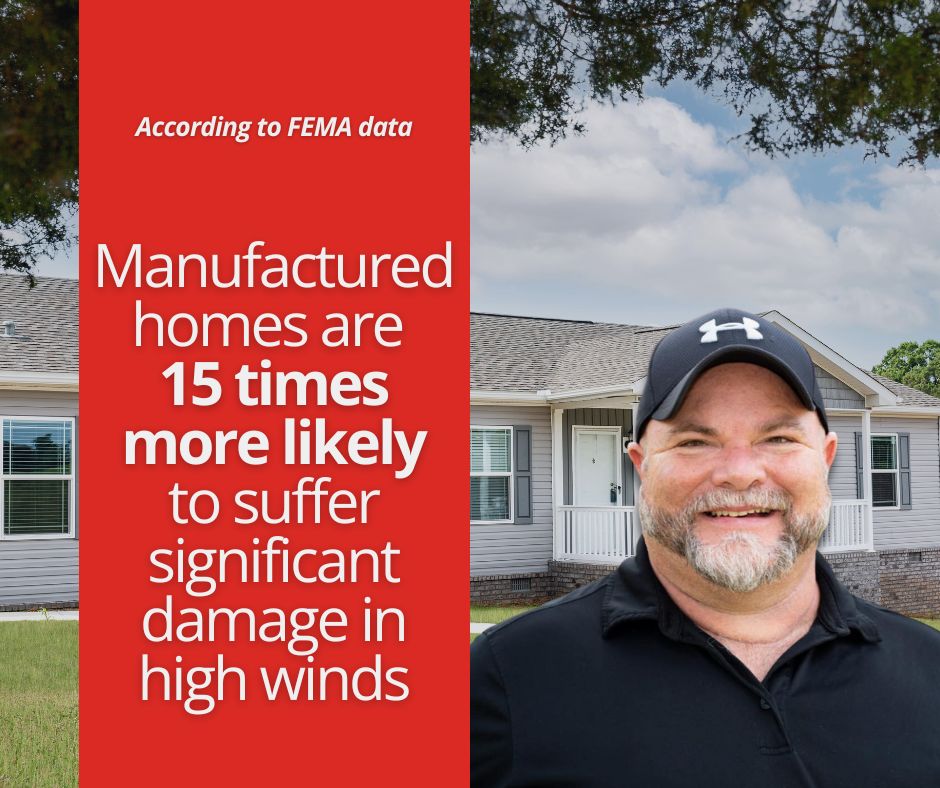
Anchoring keeps your home secured during high winds, making this non-negotiable in hurricane-prone Florida. Inspectors verify that anchors are correctly spaced, properly tensioned, and free from rust or damage.
They also examine straps, cables, and hardware connecting the frame to the anchors. A compromised anchoring system puts your entire home at risk during storms, so this portion of the inspection is thorough.
Frame and Chassis Condition
The steel frame is your home’s backbone. Inspectors examine it for rust, bending, cracks, or improper repairs while confirming it sits level and maintains proper contact with the support system.
Frame damage often results from moisture exposure, flooding, or gradual settling. In low-lying areas throughout Southwest Florida, this is a common concern inspectors watch for closely.
Skirting and Ventilation
While not technically part of the foundation, skirting affects the crawl space environment. Inspectors note whether it’s intact and properly vented.
Poor ventilation traps moisture beneath the home, leading to mold growth, wood rot, and pest problems. Florida’s year-round humidity makes adequate airflow essential for long-term foundation health.
Drainage and Grading
Water management directly impacts foundation stability. Inspectors evaluate ground slope to ensure water drains away from the home rather than pooling beneath it.
Standing water accelerates corrosion on metal components, attracts pests, and can erode soil that supports your pier system.
HUD Foundation Certification Requirements
Financing through FHA, VA, or conventional loans typically requires HUD foundation certification.
This confirms compliance with the Permanent Foundations Guide for Manufactured Housing.
A certified inspector will verify:
| Requirement | What It Means |
| Load-bearing capacity | Foundation supports the home’s full weight |
| Wind resistance | Anchoring withstands local wind zone requirements |
| Proper anchoring | Home won’t shift or overturn in severe weather |
| Local code compliance | Meets Florida building and flood zone standards |
Homes in FEMA-designated flood zones must meet additional elevation and anchoring standards specific to your property’s location.
Your inspector will verify these requirements based on your exact address.
.jpg)
Common Foundation Problems in Southwest Florida
Florida’s climate creates specific challenges worth understanding before your inspection.
- Soil shifting and settlement. Sandy soil doesn’t always provide stable support. Piers can sink unevenly over time, causing unlevel floors, sticking doors, and frame stress.
- Minor settling is normal, but significant shifts require professional re-leveling.
- Corrosion from humidity and salt air. Coastal homes face accelerated deterioration of steel frames, anchors, and tie-down hardware. Rust and pitting weaken structural connections that keep your home secure.
- Regular inspections catch corrosion early before it becomes a safety hazard or expensive repair.
- Storm damage. Even without obvious damage, hurricanes can loosen anchors, stretch straps, and shift piers.
- Post-storm inspections verify everything remains secure and code-compliant.
- Moisture and pest damage. Trapped moisture creates ideal conditions for termites and wood-destroying fungi.
- Inspectors note signs of pest activity, though a separate WDO inspection provides a more thorough evaluation if you’re concerned about wood-destroying organisms.
How to Prepare for Your Inspection
A little preparation helps everything go smoothly:
- Clear the perimeter of landscaping materials, stored items, and debris so the inspector can walk around the entire home
- Ensure crawl space access by unlocking skirting panels and removing obstructions
- Gather documentation, including previous inspection reports, installation records, or engineering certifications
- Note your concerns about uneven floors, sticking doors, or visible cracks so the inspector can pay extra attention to problem areas
- Plan for time as thorough inspections typically take 1 to 2 hours, depending on home size and accessibility
What Happens After the Inspection
You’ll receive a detailed report with observations, photographs, and repair recommendations for each component examined.
For HUD certification, you’ll get a certification letter if the foundation passes or a list of required corrections if it doesn’t.
- Buyers: The report becomes a negotiating tool for repairs or credits, helping you make informed decisions about whether to proceed.
- Sellers: Addressing issues beforehand prevents deals from falling through and justifies your asking price.
- Refinancing: A passing certification clears the way for loan approval. If corrections are needed, completing them promptly keeps your timeline on track.
Other Questions About Manufactured Home Foundations
How often should I have my foundation inspected?
Every three to five years is reasonable, with more frequent checks for flood zone properties, coastal homes, or those over 15 years old. Annual post-storm inspections are wise in Southwest Florida.
Can I convert my manufactured home to real property?
Yes, but it requires a permanent foundation and other home systems meeting specific engineering standards and certification from a licensed engineer. This can provide tax benefits and better financing options.
What’s the difference between a foundation inspection and a full home inspection?
Foundation inspections focus on support systems, anchoring, and the structural base. Full home inspections cover all major systems, including electrical, plumbing, HVAC, and roofing. Both provide valuable information for a complete picture of your home’s condition.
When to Call a Professional
Schedule an inspection if you notice:
- Floors that feel bouncy or uneven
- Doors and windows that stick or won’t close properly
- Visible cracks in walls or ceilings
- Gaps between walls and floors
- The home feels unstable during the wind
- Visible damage to piers, anchors, or skirting
After any hurricane, tropical storm, or flooding, a professional inspection confirms your home remains safe. Don’t assume everything is fine just because it looks intact from the outside.
Conclusion
Your manufactured home is where you live, relax, and build memories. A solid foundation keeps everything above it safe and secure.
Whether you’re purchasing in Cape Coral, refinancing in Fort Myers, or want peace of mind about your Lehigh Acres home, a professional foundation inspection gives you the answers you need.
Accurate Home Inspectors of Florida provides thorough manufactured home foundation inspections and HUD certifications throughout Lee, Collier, Charlotte County, and surrounding Southwest Florida communities.
Ready to schedule your foundation inspection? Contact us today.